Hybrea XI Embroidery Font Review
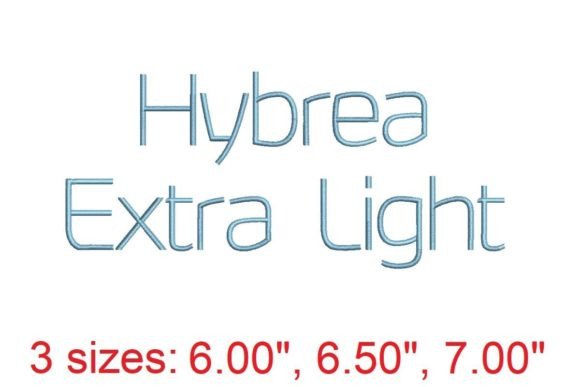
Setting up a booth for a weekend craft fair is equal parts art and logistics. You have about three seconds to grab a passerby’s attention before they walk past your table. As an experienced embroidery designer who turns digital files into tangible, sellable goods, I know that the difference between a "nice" item and a "must-buy" often comes down to the smallest details. Today, I am reviewing the Hybrea XI Embroidery Font, a design asset marketed as the perfect choice for adding a touch of elegance to your projects. My goal here is to determine if this font truly delivers on that promise when stitched out on real products like tote bags, aprons, and patches.
First Impressions: The Vibe Check
The description highlights precision and attention to detail, which are non-negotiable for any professional looking to create high-quality commercial embroidery. When I first visualize the Hybrea XI Embroidery Font, the word "elegance" suggests a clean, sophisticated aesthetic. It likely avoids the overly casual or chunky styles that dominate some mass-produced market items. Instead, it feels like it belongs in the realm of boutique makers and creative entrepreneurs who want their work to feel premium.
In the context of a busy market, elegance translates to clarity. A font that looks refined at eye level is one that customers trust. If the letters feel balanced and the curves are smooth, it signals quality craftsmanship. This font appears to be versatile enough to fit into modern, minimalist, or perhaps even soft farmhouse aesthetics, making it a strong contender for handmade product lines that need to appeal to a broad but discerning audience.
Product Application: Where Does It Shine?
To truly judge a machine embroidery design, you have to see it on fabric. Here is how I envision the Hybrea XI Embroidery Font performing across various popular craft fair categories:
- Tote Bag Design: Canvas totes are a staple. On a neutral-colored bag, this font could serve as a large focal point or a subtle chest accent. Its elegant nature pairs beautifully with simple floral motifs or single-word affirmations.
- Apron Embroidery: For kitchen-themed vendors, this font adds a touch of class to functional items. It works well for names, dates, or short phrases on the bib area, elevating a standard utility item into a giftable piece.
- Tea Towel Embroidery: Linen or cotton tea towels benefit from fonts that don't compete with the weave. Hybrea XI’s precision should hold up well here, offering a crisp look that photographs beautifully for online listings.
- Embroidered Patch: Patches are high-margin items. A clean font ensures that even at smaller sizes, the text remains legible. This is crucial for brand consistency on hats or backpacks.
- Caps and Pillows: Curved surfaces like caps require fonts with good spacing to avoid distortion. If Hybrea XI maintains its structure on curved hoops, it will be a valuable asset for Etsy sellers looking to expand into headwear.
Practical Selling and Production Points
From a business perspective, a design must be not only pretty but also practical to produce. The Hybrea XI Embroidery Font seems designed for efficiency. Its elegant style likely means fewer complex thread trims, which can speed up production times. For a vendor making ten identical orders for a holiday market, speed matters.
Photography is another key factor. Elegant designs tend to photograph well because they offer clean lines that stand out against textured backgrounds. Whether you are creating a printable mockup for social media ads or shooting photos for your booth display, this font provides a professional anchor. It helps establish brand consistency, making your shop look cohesive rather than scattered.
Furthermore, its versatility allows it to work as both a small accent and a large focal design. This flexibility means you can use the same embroidery file across different price points, from a small keychain patch to a large wall hanging, maximizing the value of your design assets.
Important Considerations and Careful Use Notes
While the potential is high, no digital embroidery file is without its challenges. Here are critical points to consider before committing to full production:
- Stitch Density: Ensure the stitch density is appropriate for your fabric. Too dense, and the fabric may pucker; too light, and the design may lack definition. Always check the stitch density in your software.
- Small Lettering: If you plan to use this for tiny details, test it thoroughly. Elegant fonts often have thinner strokes that can disappear if the size is reduced too much or if the thread colors lack contrast.
- Fabric Texture: On highly textured fabrics like heavy canvas or waffle-weave towels, fine details might get lost. Stick to smoother fabrics for the best results.
- Hoop Size: Confirm the recommended hoop size fits your machine and your project dimensions. Running a design that is too large for your hoop can lead to registration errors.
- Dark Fabric: If embroidering on dark materials, ensure you are using a stabilizer that provides enough support and that your thread coverage is sufficient to hide the base fabric.
Designer’s Checklist for Success
Before you start stitching these out for your next market, follow this workflow to ensure quality:
- Test on Scrap: Never run a new design directly onto your final product. Test it on scrap fabric that matches the weight and texture of your intended item.
- Check Thread Contrast: Select thread colors that pop against your fabric. High contrast improves readability and visual appeal.
- Review Spacing: Zoom in on the design in your digitizing software. Are the kerning and letter spacing consistent? Poor spacing can ruin an otherwise elegant font.
- Use the Right Stabilizer: The right stabilizer makes or breaks the finish. Hoop stabilizers for delicate fabrics and cut-away for stretchy knits are standard practices.
- Create a Real Mockup: Make at least one physical sample. See how it feels in hand. Does it hang well? Is the back clean?
- Confirm Licensing: Most importantly, verify the commercial license terms. Ensure you are allowed to sell finished products made with this embroidery design. Ignoring this step can lead to serious legal issues.
Final Verdict
The Hybrea XI Embroidery Font appears to be a strong addition to any small shop product line focused on quality and elegance. Its precision and stylish appearance make it suitable for a wide range of applications, from back to school personalized gear to everyday luxury items like aprons and pillows. By paying attention to the technical details—hoop size, stabilizer choice, and fabric compatibility—you can leverage this font to create standout pieces that attract buyers and build your brand reputation. If you are looking to add a touch of sophistication to your craft fair offerings, this font is certainly worth testing.