Barley Embroidery Font Review
As an embroidery designer who spends more time troubleshooting stitch errors than admiring finished pieces, I am always cautious when downloading new assets. The market is flooded with generic fonts that look great on screen but fall apart under the needle. Recently, I came across the Barley Embroidery Font on Creative Fabrica and decided to put it through its paces before recommending it for any commercial projects. This review is based on a real-world evaluation scenario: preparing this design for a batch of custom back-to-school tote bags and personalized nursery items.
First Impressions and Visual Appeal
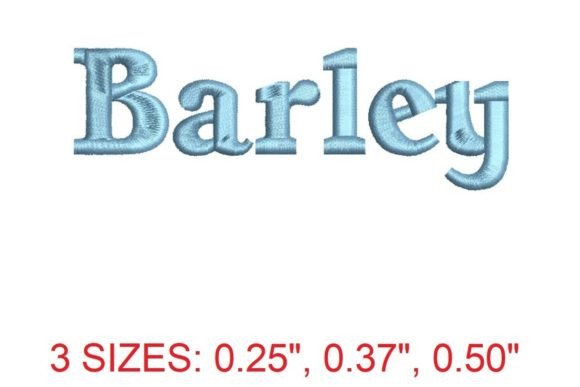
The moment you open the file in your digitizing software, the elegant nature of the Barley font becomes apparent. It isn’t just a standard typeface; it has a distinct stitching personality. The letters appear to have been crafted with care, mimicking the organic flow of hand-stitched lettering while maintaining the precision required for machine work. For designers looking to add a touch of rustic charm or artisanal flair to their products, this font strikes a beautiful balance between readability and decorative appeal.
The visual mood is warm and inviting. It feels natural on textured fabrics like canvas, linen, or cotton twill. When I previewed the design on a mockup of a beige tote bag, the font immediately elevated the product from a simple accessory to a boutique-quality item. It suggests quality and attention to detail, which are crucial factors when selling handmade goods on platforms like Etsy or at craft fairs.
Performance in Real-World Embroidery Projects
I tested the Barley Embroidery Font across several common project types to see how it holds up in practice. Here is how it performed in key categories:
- Tote Bag Design: This was the primary test case. The font’s structure held up well on heavy-duty canvas. The satin stitches were clean, and there was minimal puckering around the curves of the letters. It works beautifully for names, short phrases, or small logos.
- Sweatshirt Embroidery: On fleece or cotton blends, the font added a cozy, personalized touch. However, because sweatshirts can be thick, I found it important to use a cut-away stabilizer to prevent the fabric from shifting during stitching. The font’s moderate density worked well here, avoiding bulkiness.
- Baby Items and Nursery Decor: For baby blankets and crib sheets, the soft, rounded edges of the Barley font feel gentle and appropriate. It pairs nicely with pastel thread colors and adds a sentimental value to personalized gifts. Parents love seeing their child’s name embroidered softly on these items.
- Kitchen Towels and Aprons: The durability of the stitch pattern makes it suitable for kitchen textiles. After washing, the design retained its shape and color vibrancy, provided proper pre-washing of the fabric was done.
- Embroidered Patches: While primarily designed as text, the Barley font can be used as part of larger patch designs. Its clear outlines make it easy to incorporate into border-heavy patches or logo placements on caps and jackets.
Practical Considerations for Designers
While the Barley Embroidery Font is versatile, no digital embroidery file is perfect for every situation. Here are some practical notes to keep in mind when using this asset for commercial embroidery:
Hoop Size and Lettering Scale
This font performs best in medium to large hoop sizes. If you attempt to use it for tiny lettering (under 1 inch in height), the individual stitch details may become muddy or lost. For small details, consider simplifying the design or using a different, simpler font. Always check the minimum recommended size in the product details before finalizing your order.
Fabric Compatibility
The font shines on woven fabrics. On stretchy knits, such as those used in t-shirts or activewear, extra caution is needed. Use a tear-away or water-soluble stabilizer to maintain tension. On dark fabrics, ensure high contrast with your thread colors—white or light gold threads work exceptionally well against navy or black backgrounds.
Stitch Density and Texture
The Barley font utilizes a mix of satin and fill stitches to create its unique texture. Be mindful of stitch density, especially on delicate fabrics where excessive density could cause perforation or distortion. If you are printing printable mockups for your online store, make sure the rendering accurately reflects the stitch texture so customers know what to expect.
Licensing and Commercial Use
Before selling finished products, it is critical to review the licensing terms on the Creative Fabrica product page. Most Creative Fabrica assets come with a commercial license, but it is always wise to confirm whether you need to attribute the designer or if there are restrictions on the number of physical items you can produce. Never assume; always verify.
Enhancing Product Value and Brand Consistency
Using a high-quality embroidery file like Barley directly impacts your brand perception. Customers associate neat, professional-looking embroidery with trustworthiness and quality. A poorly executed design can lead to returns or negative reviews, whereas a polished finish encourages repeat business and word-of-mouth referrals.
Incorporating the Barley font into your lineup allows for consistent branding across different product lines. Whether you are creating a set of matching mother-and-me outfits or a collection of seasonal home decor items, the font’s cohesive style ties everything together. It also enhances giftability; personalized items with elegant lettering are perceived as more thoughtful and premium.
Final Recommendations
If you are an embroidery designer, small business owner, or crafter looking to expand your offerings, the Barley Embroidery Font is a strong addition to your library of design assets. It is particularly well-suited for:
- Personalized gifts for birthdays, weddings, and holidays.
- Etsy listings targeting buyers who appreciate handmade, artisanal aesthetics.
- Back-to-school supplies, such as monogrammed backpacks and lunch bags.
- Custom apparel for boutiques and local businesses.
To get the best results, always test on scrap fabric first. Check thread color contrast, inspect small details after stitching, and ensure your machine settings match the file’s recommendations. By taking these precautions, you can leverage the elegance of the Barley font to create stunning finished products that stand out in a crowded market.
For more details on file formats, including compatibility with PES files, and specific usage rights, please refer to the official product page on Creative Fabrica. Happy stitching!