Desard Embroidery Font Review for Boutique Apparel
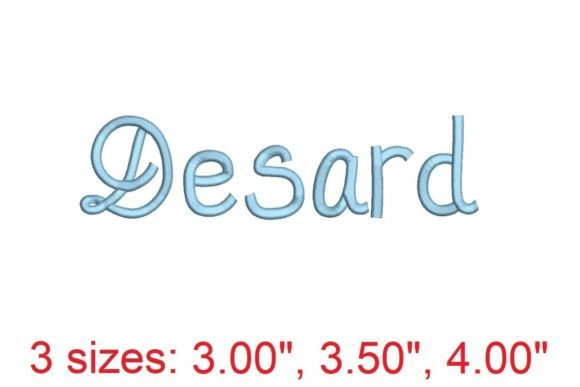
As an embroidery designer who spends hours refining stitch paths and selecting thread palettes, I am always on the lookout for typefaces that can elevate a simple garment into a statement piece. When browsing Creative Fabrica for new assets to add to my library, Desard caught my eye immediately. It is not just another generic font; it is a versatile and high-quality typeface compatible with the most popular PES file format. Crafted for seamless integration with Brother machines, this design promises to be a workhorse for any decorator looking to expand their catalog.
I recently put Desard through its paces, imagining how it would perform across a small sweatshirt and hoodie collection destined for an online boutique. Below is my honest review of how this embroidery file might fit into your workflow, from initial visual appeal to practical application on various garments.
First Impressions: Visual Personality and Mood
The first thing you notice about Desard is its distinct visual personality. It strikes a balance between modern minimalism and playful charm. The letterforms are clean but have enough character to feel hand-crafted rather than machine-generated. This makes it incredibly adaptable. Whether you are aiming for a trendy, casual look or something slightly more classic and timeless, Desard delivers.
For a Back To School collection, this font feels particularly relevant. It has that "cute" yet professional vibe that appeals to both students and parents. It isn’t overly decorative, which means it won’t clash with other graphic elements on a shirt, making it perfect for layered designs or standalone text-based apparel. The stitching mood is crisp and legible, ensuring that even at smaller sizes, the message remains clear.
Application on Sweatshirts and Hoodies
Sweatshirt embroidery is one of the most profitable niches in the handmade apparel market, but it requires fonts that sit well against thick, textured fabrics. I tested Desard mentally against several common garment types:
- Neutral Sweatshirts: On heather grey or oatmeal crewnecks, Desard provides a soft, sophisticated contrast. It looks premium without shouting for attention.
- Pastel Hoodies: Soft pinks, lavenders, and mint greens pair beautifully with the gentle curves of this typeface. It enhances the cozy, youthful aesthetic of pastel streetwear.
- Dark Apparel: When embroidered in white or cream thread on black hoodies, Desard pops with excellent visibility. The high-contrast look is essential for evening wear or urban-style clothing lines.
- Oversized Garments: For oversized fits, larger placements work best. Desard scales well, maintaining its integrity whether used as a small chest logo or a full-back statement piece.
When designing for Etsy sellers and small clothing brands, versatility is key. Desard allows you to create cohesive collections. You can use the same font for a matching set of tote bags, t-shirts, and hoodies, creating a recognizable brand identity for your customers.
Chest Placement and Sleeve Accents
One of the strongest use cases for Desard is chest placement. Because the letters are well-proportioned, they do not get lost on the small canvas of a left chest area. It works equally well as a sleeve accent—a growing trend in contemporary fashion. A single word or short phrase from the Desard family embroidered on the cuff or upper arm adds a subtle touch of branding that discerning buyers appreciate.
However, caution is advised when considering tiny lettering. While Desard is legible, extremely small text can sometimes lose definition depending on the stitch density. Always inspect the fine details before finalizing your design for mass production.
Beyond Apparel: Totes and Lifestyle Products
The utility of Desard extends beyond clothing. As a digital embroidery file, it is perfect for lifestyle product photos and printable mockups. Imagine a canvas tote bag featuring a witty phrase in Desard. The font’s clean lines ensure that the text remains readable even when the bag is crumpled or folded.
For crafters and creative entrepreneurs, this adaptability is invaluable. You can take the same design file and apply it to denim jackets, aprons, or even pillowcases. The consistent visual language helps build trust with your audience. When a customer sees a cohesive aesthetic across different products, they perceive your shop as more professional and reliable.
Practical Embroidery Designer Notes
Before you upload Desard to your machine and start stitching, there are several technical considerations to keep in mind. Even the best design can fail if the execution is flawed.
- Test on Scrap Fabric: Always run a test stitch on a scrap piece of the actual fabric you plan to use. Fleece and knit fabrics behave differently than woven cottons.
- Check Stabilizer Choice: For stretchy fabrics like hoodie material, a cut-away stabilizer is usually necessary to prevent puckering. Desard’s structure may require extra support depending on the garment weight.
- Review Thread Color Contrast: Ensure your chosen thread colors provide enough contrast against the garment. Light threads on light fabrics can disappear, while dark threads on dark fabrics may lack definition.
- Confirm Hoop Size: Verify that the design dimensions fit within your machine’s hoop size. If you are planning large back designs, you may need a multi-hoop approach.
- Inspect Stitch Density: Check the stitch density of the file. If the stitches are too dense for lightweight fabric, it could cause tearing. If too sparse, the fabric texture might show through unpleasantly.
It is also crucial to check Creative Fabrica product details and licensing before selling finished apparel. Understanding the commercial rights ensures that your business operations remain compliant and secure.
Impact on Brand Identity and Value
Using a high-quality font like Desard directly affects the perceived value of your handmade product. Buyers often associate clean, well-executed embroidery with higher quality craftsmanship. A sharp, professional-looking design signals that you care about the details, which increases buyer trust and encourages repeat purchases.
Furthermore, visual consistency is key to building a boutique brand. By using Desard across your social media graphics, Etsy listings, and physical products, you create a memorable brand experience. Customers recognize your style instantly, which is powerful marketing in a crowded marketplace.
Where to Use Desard Carefully
While Desard is versatile, there are areas where you should exercise caution:
- Dense Stitch Areas: Avoid placing heavy embroidery over seams or zippers, as this can create uncomfortable lumps.
- Curved Surfaces: Embroidering on curved surfaces like the shoulders of a t-shirt requires careful digitizing to prevent distortion.
- Areas That Stretch: Be mindful of ribbed fabric or cuffs. Excessive stitching can restrict elasticity, making the garment less comfortable to wear.
In conclusion, Desard is a strong addition to any embroidery designer’s toolkit. Its blend of style, versatility, and compatibility makes it an ideal choice for creating custom apparel that stands out. Whether you are launching a new line of cozy seasonal outfits or updating your existing catalog, this font offers the professional polish that today’s consumers expect. I recommend downloading the sample files from Creative Fabrica and experimenting with different thread colors and placements to see how Desard can transform your next project.