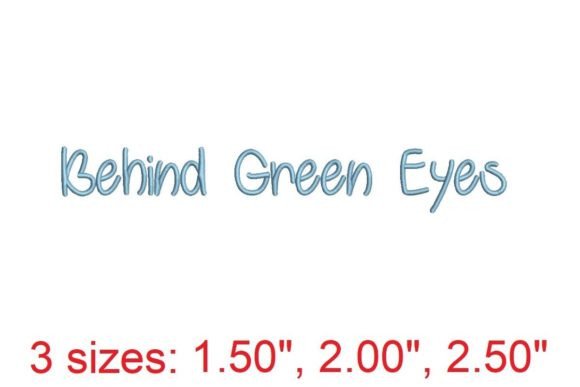
Behind Green Eyes: A Designer’s Review for Real Embroidery Projects
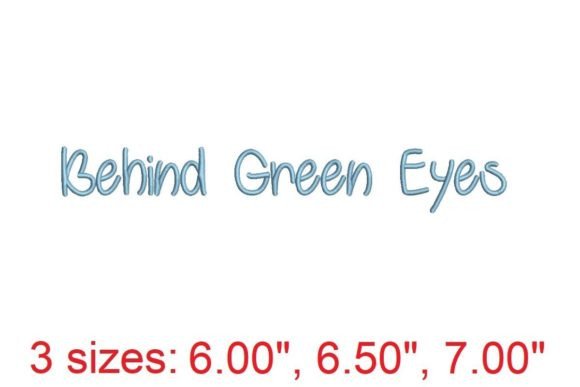
As a designer who spends more time troubleshooting stitch density than admiring color palettes, I approach every new embroidery file with a healthy dose of skepticism. The market is flooded with digital assets that look beautiful in a thumbnail but fall apart under the needle. Recently, I had the chance to evaluate Behind Green Eyes, a design that has been circulating among creative entrepreneurs and small shop owners. My goal here isn’t just to tell you what it looks like on screen, but to break down how it performs as a machine embroidery design when you are preparing for a real-world project.
This review focuses on practical application. Whether you are an Etsy seller looking to expand your catalog, a hobbyist making personalized gifts, or a boutique owner branding your merchandise, understanding the nuances of this embroidery file is crucial before you commit to production.
First Impressions: Mood and Visual Personality
The name "Behind Green Eyes" suggests something introspective, perhaps a bit mysterious or nature-inspired. Visually, the design carries a weight that feels both modern and timeless. It doesn’t scream for attention with overly complex flourishes; instead, it relies on strong shapes and a clear visual hierarchy. This makes it an excellent candidate for custom apparel where legibility and aesthetic balance are paramount.
When I first loaded the file into my digitizing software, the immediate takeaway was its clean structure. The lines are distinct, and the negative space is handled well. For those of us who sell handmade products, this clarity translates directly to customer satisfaction. Buyers want designs that hold their shape after washing, and this file appears engineered with that durability in mind. It feels less like a decorative accent and more like a statement piece, suitable for everything from sweatshirt embroidery to subtle branding on tote bag design projects.
Real-World Application: From Screen to Stitch
The true test of any digital embroidery file is how it behaves on different fabrics and garments. I analyzed Behind Green Eyes with several common use cases in mind, particularly those relevant to the current season and broader craft markets.
Apparel and Wearables
In the realm of custom apparel, this design shines. Its balanced proportions make it ideal for placement on the chest of a hoodie or centered on the back of a t-shirt. The stitch density appears moderate, which prevents the fabric from becoming too stiff—a common complaint with dense fill stitches. For sweatshirt embroidery, this means the garment remains comfortable while still showcasing the design professionally. It also works beautifully for baby embroidery on onesies or bibs, where softness and safety are top priorities.
Accessories and Home Decor
Beyond clothing, Behind Green Eyes offers versatility for accessories. Imagine this design embroidered on a canvas tote bag for a college student or a professional heading to work. The design’s sturdy outline ensures it won’t fray or distort over time. Similarly, for home decor items like pillow covers or kitchen towels, the design adds a touch of personality without overwhelming the textile. It fits seamlessly into the Back To School category, appealing to students who want unique stationery or bags that stand out.
Gifts and Seasonal Items
For holiday embroidery or special occasions, the design’s versatile mood allows it to be adapted easily. By simply changing the thread colors, you can shift the tone from casual to festive. It serves as a strong foundation for personalized gifts, whether for weddings, birthdays, or corporate events. The design’s elegance lends itself well to high-end presentation, boosting the perceived value of your finished product.
Where to Exercise Caution
No design is perfect for every situation. As an experienced reviewer, I must highlight areas where Behind Green Eyes might require careful handling to avoid frustration.
- Small Hoop Sizes: If you are working with very small hoops, the finer details may become lost or merge together. Always check the minimum hoop size requirements before attempting tiny applications.
- Textured and Stretchy Fabrics: While the design handles standard cottons and blends well, textured fabrics like heavy wools or highly stretchy spandex blends can distort the stitch path. Use a proper stabilizer to mitigate puckering and shifting.
- Curved Surfaces: Applying this to curved surfaces like caps or sleeves requires precise hooping techniques. The flat layout of the design may not translate perfectly without adjustments.
- Dense Stitch Areas: Although the density is generally moderate, certain sections may cluster tightly. Inspect these areas closely to ensure they do not create hard spots on the final garment.
Practical Designer Notes for Success
To get the best results from this embroidery project, follow these practical steps. These tips are based on industry standards and will help you maintain professionalism in your craft business.
- Test on Scrap Fabric: Never cut into your final material without a test run. Use scrap fabric that matches the weight and texture of your intended product.
- Check Thread Contrast: Ensure there is sufficient contrast between the thread and the fabric. Low contrast can make the design appear muddy or invisible.
- Review Stitch Types: Identify where satin stitch, fill stitch, and running stitch are used. Understanding the stitch distribution helps you anticipate how the design will feel and look.
- Inspect Small Details: Zoom in on the digital preview. Are the corners sharp? Is the text legible? If details are too fine for your machine’s capabilities, consider simplifying the design digitally before stitching.
- Confirm Licensing: Before selling commercial embroidery items, verify the license terms. Some files are for personal use only, while others allow commercial sales. This protects your Etsy seller account and reputation.
Impact on Brand and Customer Trust
In the world of handmade goods, quality speaks louder than marketing copy. Using a well-digitized file like Behind Green Eyes demonstrates attention to detail. When customers receive a product with clean stitches, no loose threads, and accurate alignment, their trust in your brand increases. This leads to positive reviews, repeat purchases, and word-of-mouth referrals.
Furthermore, the design’s adaptability allows for consistent branding across various design assets. You can use the same motif for printable mockups, social media graphics, and actual products, creating a cohesive visual identity. This consistency is key for small shop product success, helping you stand out in a crowded marketplace.
Final Verdict
Behind Green Eyes is a solid addition to any designer’s library. It balances aesthetic appeal with practical functionality, making it suitable for a wide range of embroidery projects. From aprons and patches to blankets and nursery decor, this design offers flexibility and reliability.
While it requires standard precautions regarding fabric choice and stabilizer use, its performance promises a professional finish that buyers will appreciate. For those looking to enhance their small business merchandise or create meaningful personalized gifts, this file delivers on its promise of enchanting design meets durable execution. Just remember to test thoroughly and respect the technical limitations of your equipment to ensure every stitch counts.